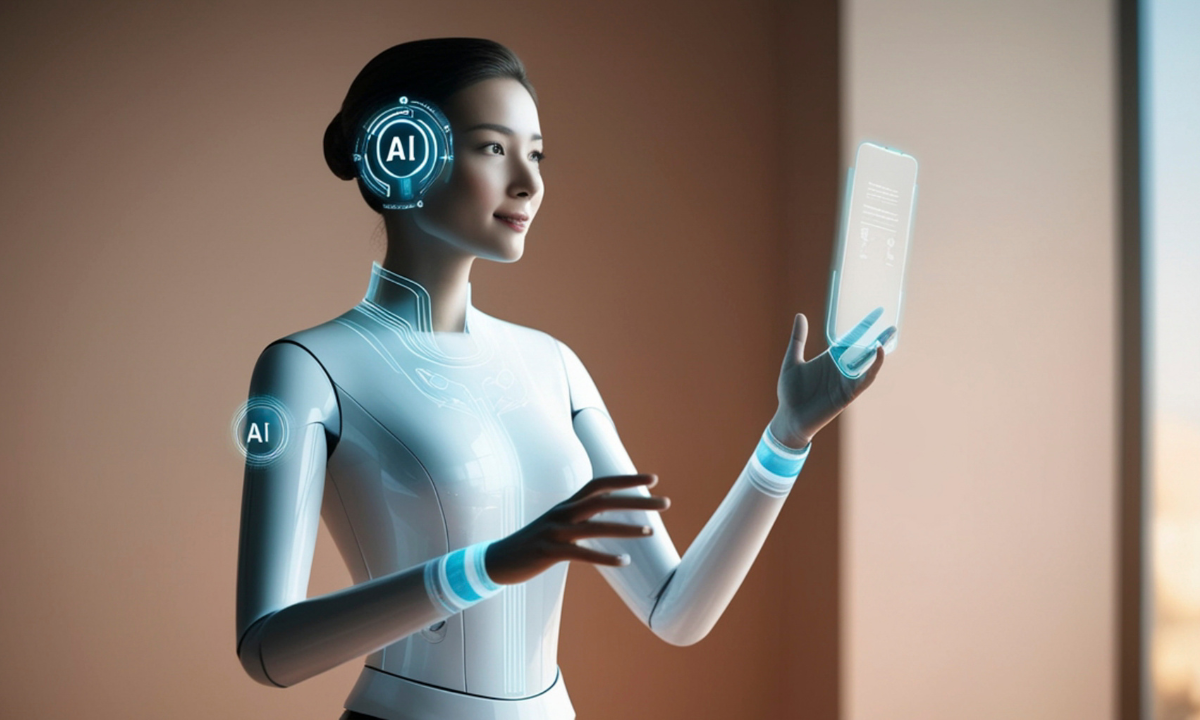
Art has always evolved alongside technology. From the invention of the camera to digital design software, every new tool has changed the way artists create and audiences experience creativity. Now, artificial intelligence is becoming the next big shift — and honestly, it’s happening faster than many people expected.
AI is no longer just a futuristic idea from science fiction movies. It’s already helping musicians compose songs, writers generate ideas, filmmakers edit scenes, and visual artists create stunning artwork in seconds. Some people see this as exciting innovation. Others worry it could replace human creativity altogether.
The truth is somewhere in the middle.
Artificial intelligence is not killing art. It’s transforming it. And modern artists are learning how to work with AI instead of against it.
The Rise of AI in the Art World
A few years ago, AI-generated artwork looked strange and unfinished. Today, things are very different. Advanced AI systems can now create paintings, illustrations, animations, and even realistic portraits that look almost human-made.
Platforms like AI image generators have opened the door for anyone to experiment with digital creativity. A person with zero drawing skills can type a short prompt and instantly receive artwork in multiple styles — watercolor, cyberpunk, oil painting, anime, surrealism, and more.
That accessibility has completely changed the creative landscape.
Before AI, creating professional-looking digital art often required years of practice. Now, beginners can visualize ideas quickly, while professional artists use AI to speed up workflows and explore concepts they may never have considered before.
In many ways, AI has become a creative assistant rather than simply a machine.
AI Is Expanding Creative Possibilities
One of the biggest ways AI is changing modern art is by expanding what artists can actually create.
Traditional art forms still matter, of course. Painting by hand, sculpting, sketching — those skills remain valuable. But AI allows artists to push beyond normal limitations.
Imagine a designer working on a fantasy world for a video game. Instead of spending weeks sketching rough concepts, they can generate dozens of environments in minutes using AI tools. This doesn’t replace the artist’s imagination; it gives them more material to refine and develop.
The same thing is happening in fashion, architecture, advertising, and digital media.
Artists are using AI to:
- Generate creative concepts
- Explore unusual color palettes
- Create abstract visual styles
- Produce animations faster
- Experiment with mixed media
- Build interactive digital experiences
The result is a completely new category of hybrid creativity where human imagination and machine learning work together.
And honestly, some of the outcomes are incredible.
AI Art Is Making Creativity More Accessible
For a long time, the art world could feel exclusive. Expensive software, formal education, and technical skill often acted as barriers.
AI is lowering those barriers.
Now, a teenager with a laptop can create impressive digital art from their bedroom. Small business owners can design marketing visuals without hiring large creative teams. Independent musicians can generate album artwork without massive budgets.
This democratization of creativity is one of AI’s most important impacts.
Of course, accessibility also creates competition. Since more people can create art quickly, standing out becomes harder. But it also means fresh voices and perspectives are entering the creative world every day.
That diversity can be a good thing for art overall.
The Debate Around Originality and Authenticity
Not everyone is comfortable with AI-generated art — and that concern is understandable.
One major criticism is originality.
Can art created with algorithms truly be called “creative”? Or is it simply remixing existing work collected from massive datasets?
This debate has become increasingly heated in modern art communities.
Some traditional artists argue that AI-generated images lack emotional depth because machines don’t experience human feelings. They believe real art comes from personal struggle, memory, culture, and lived experience.
Others disagree.
They argue that AI is simply another artistic tool, similar to photography or digital editing software when they first appeared. After all, the artist still decides the prompts, selects the final output, edits the results, and shapes the vision.
In reality, AI art often reflects both machine capability and human direction.
The emotional meaning still comes from people.
Real Artists Are Using AI — Not Just Tech Companies
A common misconception is that AI art exists separately from “real” artists. But many professional creators are already integrating AI into their process.
Some painters use AI to brainstorm compositions before starting a canvas. Graphic designers generate mockups to save time. Filmmakers experiment with AI-generated storyboards. Even photographers use AI tools for enhancement and editing.
In other words, AI is becoming part of the toolkit.
And history shows this pattern repeating itself.
When photography first appeared in the 19th century, many painters feared it would destroy traditional art. Instead, it inspired entirely new movements like Impressionism and Modernism.
Technology didn’t end creativity. It reshaped it.
AI may be doing the same thing today.
AI and NFTs Changed Digital Ownership
Another important development in modern art is the connection between AI-generated artwork and NFTs (non-fungible tokens).
Digital artists historically struggled to prove ownership or scarcity because files could be copied endlessly online. NFTs introduced a system where digital artwork could be verified and sold as unique assets using blockchain technology.
AI-generated pieces quickly became part of this movement.
Some AI artworks have sold for surprisingly high prices at auctions and online marketplaces. In fact, certain collectors view AI art as a glimpse into the future of creative expression.
Still, the NFT space remains controversial. Critics point to environmental concerns, speculative pricing, and market instability.
But regardless of opinions on NFTs, they helped push AI-generated art further into mainstream conversations.
Ethical Concerns Around AI Art
The growth of AI in modern art also raises serious ethical questions.
Many AI systems are trained using huge collections of artwork pulled from the internet. Some artists argue their work was used without permission or compensation.
That concern is valid.
If an AI model learns from thousands of artists’ styles, where should the line be drawn between inspiration and imitation?
Governments, tech companies, and legal experts are still trying to figure this out. Copyright laws were not designed for machine-generated creativity, which makes regulation complicated.
There’s also concern about job displacement.
Could AI reduce opportunities for illustrators, designers, or concept artists?
In some industries, it probably will change hiring patterns. Simple design tasks may become increasingly automated. But at the same time, new creative roles are emerging around AI direction, prompt engineering, editing, and digital curation.
The creative industry is adapting rather than disappearing.
The Human Element Still Matters
Despite all the technological advancements, one thing remains true: people connect emotionally with human stories.
A machine can generate visually impressive images, but audiences still care about meaning, intention, and personal expression.
That’s why human artists continue to matter deeply.
The artists who will thrive in the AI era are likely the ones who combine technology with authentic perspective. Technical perfection alone isn’t enough anymore. Viewers want emotion, narrative, identity, and originality.
AI can assist creativity. It cannot replace human experience.
At least not in the way art truly resonates with people.
What the Future of AI Art Could Look Like
The future of modern art will probably become even more interactive and personalized.
We may see:
AI-Powered Interactive Galleries
Visitors could experience artwork that changes based on mood, movement, or voice interaction.
Personalized Art Creation
People might generate custom artwork designed specifically for their homes, personalities, or emotions.
Virtual Reality Art Spaces
Artists could create immersive AI-generated worlds instead of traditional static paintings.
Human-AI Collaboration as the Norm
Rather than debating “human vs AI,” the focus may shift toward collaboration between both.
And honestly, we’re only at the beginning.
The technology is evolving rapidly, and the art world is evolving with it.
AI is changing modern art in ways that are exciting, controversial, inspiring, and sometimes unpredictable. It’s opening creative doors for millions of people while also challenging long-held ideas about originality and artistic value.