Music education for children has evolved tremendously over the last few decades. While traditional methods have built generations of talented musicians, modern teaching approaches are transforming how children experience music today.
For parents exploring music classes during the admission process, understanding these two teaching styles can help them make a confident decision for their child.
As a music educator with many years of experience teaching young learners, I have seen how different teaching methods influence a child’s musical journey. Some children thrive in structured classical learning, while others blossom in creative, technology-driven environments.
In this guide, we will explore the traditional vs modern methods of teaching music to children, how they differ, and what parents should consider during the music class admission process.
Traditional Methods of Teaching Music to Children
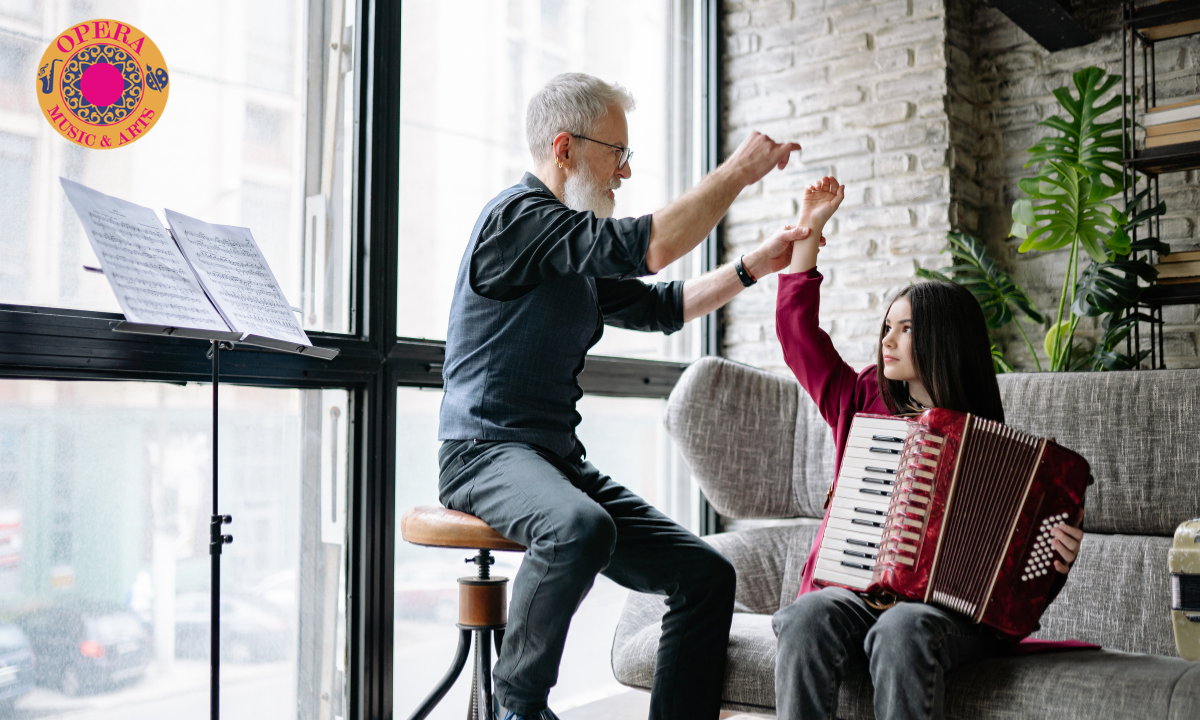
Traditional music teaching methods have been the foundation of music education for centuries. These approaches emphasize discipline, technique, and structured learning.
Key Characteristics of Traditional Music Teaching
Traditional music lessons usually follow a systematic approach where students gradually build their musical skills through practice and repetition.
Some common features include:
-
Learning music theory and notation first
-
Focus on instrument technique and discipline
-
Teacher-led instruction
-
Regular practice routines
-
Performance-based progress evaluation
In many classical music schools, students begin with foundational elements such as scales, rhythm patterns, and music reading before moving on to complex pieces.
Benefits of Traditional Music Education for Children
Traditional teaching methods offer several long-term advantages for young learners.
1. Strong Musical Foundation
Children develop a deep understanding of rhythm, melody, and notation.
2. Discipline and Focus
Structured practice helps children build patience and dedication.
3. Classical Skill Development
Students trained traditionally often develop excellent technical skills on their instruments.
4. Performance Confidence
Recitals and stage performances are often part of the curriculum.
During the music class admission process, many traditional schools conduct a basic assessment or trial lesson to understand the child’s interest, listening ability, and rhythm sense.
Modern Methods of Teaching Music to Children
Modern music teaching methods focus on creativity, engagement, and making music fun for children. These approaches are especially popular in preschools and early childhood music programs.
Key Characteristics of Modern Music Teaching
Modern music education is often interactive and child-centered. Instead of strict theory-based learning, children explore music through play and experimentation.
Common elements include:
-
Learning through games and activities
-
Use of digital tools and music apps
-
Group-based learning
-
Creative expression and improvisation
-
Exposure to multiple music styles
In many modern classrooms, children sing, move, clap rhythms, and experiment with different instruments.
Benefits of Modern Music Learning for Children
Modern teaching approaches are designed to spark a child’s natural curiosity about music.
1. Increased Engagement
Children enjoy lessons more when learning feels like play.
2. Creativity Development
Students are encouraged to create their own sounds and rhythms.
3. Faster Confidence Building
Kids feel comfortable expressing themselves musically.
4. Technology Integration
Interactive apps and digital keyboards help children explore music independently.
During the music school admission process, modern programs often invite parents and children for interactive trial sessions rather than formal assessments.
Traditional vs Modern Methods of Teaching Music to Children: Key Differences
Parents often ask which approach is better. The truth is that both methods offer valuable benefits depending on the child’s personality and learning style.
| Feature | Traditional Method | Modern Method |
|---|---|---|
| Teaching Style | Structured and teacher-led | Interactive and child-centered |
| Focus | Technique and theory | Creativity and exploration |
| Learning Tools | Sheet music and instruments | Apps, games, movement |
| Lesson Environment | Formal classroom | Fun and flexible learning space |
| Skill Development | Strong technical skills | Creative musical expression |
Many progressive music schools today combine traditional and modern music teaching methods to give children the best of both worlds.
How Music Schools Structure the Admission Process
When parents enroll their children in music classes, understanding the music school admission process can make the experience smoother.
Initial Inquiry and Orientation
Most music academies begin with an introductory meeting where parents learn about:
-
Curriculum
-
Teaching methods
-
Class schedules
-
Age requirements
This stage helps parents decide whether the school’s philosophy aligns with their child’s needs.
Trial Class or Musical Assessment
Many music schools offer a trial class during the admission process.
Teachers observe:
-
The child’s interest in music
-
Listening skills
-
Rhythm sense
-
Comfort level in a classroom setting
This is not a strict exam. Instead, it helps teachers recommend the most suitable class.
Program Selection
Based on the child’s age and ability, schools may offer programs such as:
-
Early childhood music classes (ages 3–5)
-
Beginner instrument lessons
-
Group music programs
-
Vocal training classes
Some schools also integrate modern teaching tools alongside classical training.
Enrollment and Orientation for Parents
Once the admission is confirmed, parents receive details about:
-
Practice expectations
-
Learning materials
-
Performance opportunities
-
Progress tracking
Clear communication between teachers and parents plays a major role in a child’s success in music learning.
Choosing the Right Music Teaching Method for Your Child
Every child learns differently. When deciding between traditional and modern teaching methods, parents should consider a few factors.
Age of the Child
Younger children usually respond better to modern, play-based music learning, while older children may adapt well to structured lessons.
Child’s Personality
Some children enjoy discipline and structured learning, while others thrive in creative environments.
Long-Term Musical Goals
If a child aims to pursue classical music seriously, traditional training becomes essential. However, if the goal is creative exploration and enjoyment, modern methods may be more suitable.
School Teaching Philosophy
Many experienced educators today blend traditional and modern music teaching methods to create balanced learning experiences.
Music education plays a powerful role in a child’s overall development. Whether through traditional training or modern interactive learning, music helps children build creativity, confidence, and emotional expression.
For parents navigating the music class admission process, understanding the difference between traditional vs modern methods of teaching music to children can help them choose a program that truly supports their child’s musical growth.