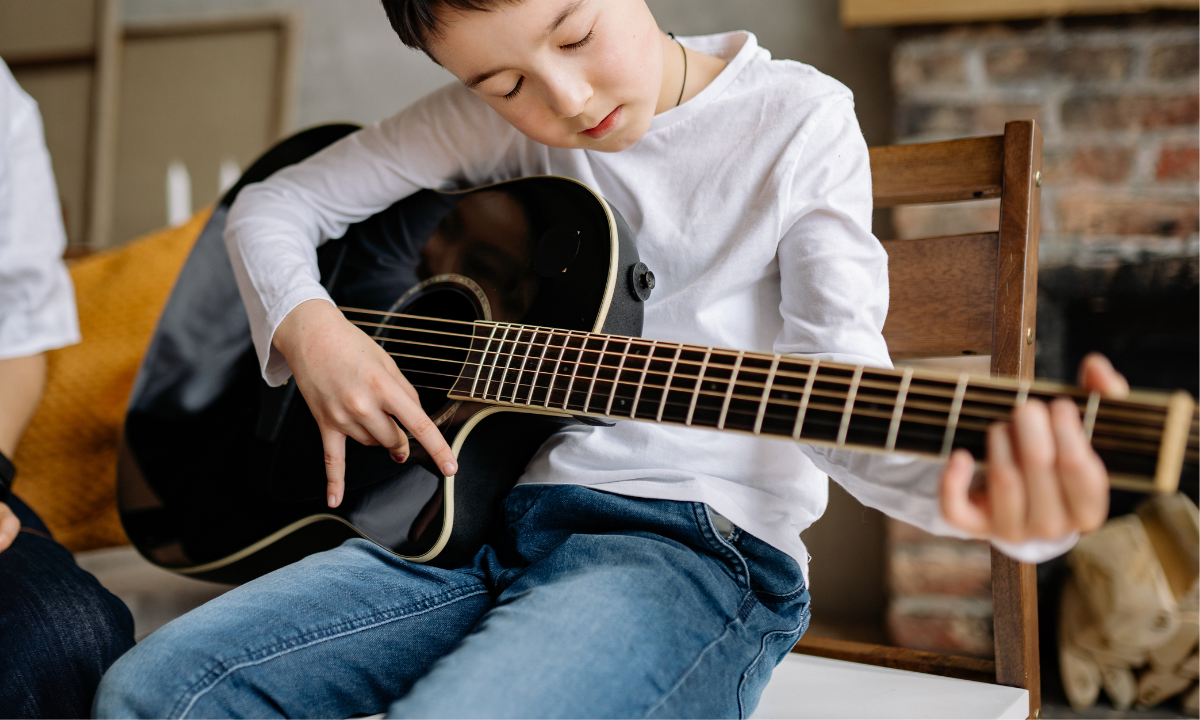
Music plays a powerful role in early childhood development. From enhancing brain function and emotional intelligence to building confidence and creativity, music education offers lifelong benefits. One of the most common questions parents ask is: “What is the best age to start music classes for kids?”
The answer depends on several factors, including a child’s developmental readiness, attention span, and emotional maturity. In this guide, we explore the ideal age ranges, benefits at each stage, and how to choose the right music program for your child.
Why Music Education Matters in Early Childhood
Introducing children to music early supports holistic development. Scientific studies show that music training stimulates both hemispheres of the brain, improving learning capacity and memory.
Key Benefits of Music Classes for Kids
-
Enhances cognitive development – Improves memory, focus, and problem-solving skills
-
Boosts language and communication skills – Strengthens vocabulary, pronunciation, and listening ability
-
Supports emotional expression – Helps children express feelings and manage emotions
-
Improves motor skills and coordination – Develops rhythm, hand-eye coordination, and fine motor control
-
Encourages discipline and patience – Builds consistency, responsibility, and perseverance
-
Builds confidence and self-esteem – Performance and practice promote confidence
Understanding Age-Based Readiness for Music Learning
Children develop at different rates. While exposure to music can begin from infancy, structured classes are most effective when children reach certain developmental milestones.
Let’s explore the best age ranges to introduce music education.
0–2 Years: Sensory Musical Exposure
At this stage, formal lessons are not necessary. However, passive exposure plays a crucial role in brain development.
Ideal Activities:
-
Listening to lullabies and soft melodies
-
Singing nursery rhymes
-
Playing simple rhythm games
-
Using rattles, bells, and soft musical toys
Benefits:
-
Builds auditory recognition
-
Enhances emotional bonding
-
Stimulates early brain development
3–4 Years: Introduction to Structured Music Play
This is one of the best ages to introduce kids to music classes. Children begin to develop attention, memory, and physical coordination.
Suitable Activities:
-
Rhythm exercises
-
Singing and movement-based music
-
Introduction to simple instruments (xylophone, keyboard, drums)
-
Group music games
Benefits:
-
Improves listening skills
-
Develops rhythm and coordination
-
Encourages creativity and social interaction
5–7 Years: Ideal Age for Formal Music Training
This age range is widely considered the best time to start formal music education. Children are cognitively ready to understand structured lessons and disciplined practice.
Suitable Instruments:
-
Piano
-
Violin
-
Guitar
-
Keyboard
-
Drums
Benefits:
-
Strong foundation in musical theory
-
Improved concentration and discipline
-
Development of technical skills
-
Enhanced emotional expression
8+ Years: Advanced Skill Development
Children above 8 years can focus on mastering techniques, exploring advanced musical styles, and performing publicly.
Key Advantages:
-
Faster learning curve
-
Better self-discipline
-
Strong musical interpretation
-
Increased confidence and creativity
How to Know If Your Child Is Ready for Music Classes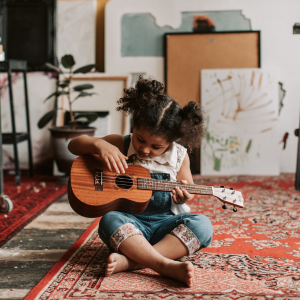
Every child is unique. Look for these readiness signs:
-
Shows interest in music
-
Enjoys singing or dancing
-
Can follow simple instructions
-
Maintains focus for short durations
-
Enjoys group activities
Choosing the Right Music Class for Your Child
Selecting the right environment is crucial for long-term success.
Key Factors to Consider
-
Qualified instructors with early childhood training
-
Age-appropriate curriculum
-
Play-based teaching methods
-
Small group sizes for personal attention
-
Safe and child-friendly environment
There is no single perfect age, but starting music exposure early and structured learning between 3 and 7 years offers maximum developmental benefits. The key is to create a joyful and pressure-free environment that allows children to explore, learn, and grow through music. For parents seeking a nurturing and engaging music learning environment, structured early childhood music programs such as those offered by Opera can provide the right blend of fun, discipline, and artistic development.
Curious about music classes? Explore our music classes at Opera Music & Arts Centre.