
Music is a magical language that every child can understand and enjoy. From the rhythmic beat of a drum to the cheerful tones of a xylophone, musical instruments can spark creativity, boost cognitive skills, and make learning fun. At Bumble Bee Nursery, we believe in nurturing little musicians from the very start, helping them explore sounds, rhythms, and melodies in a playful, hands-on way. This beginner’s guide introduces children to the world of musical instruments, encouraging curiosity, creativity, and confidence.
The Joy of Musical Exploration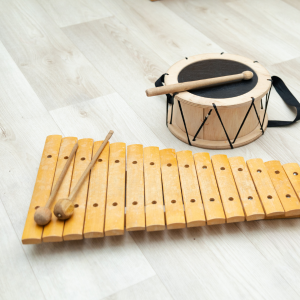
Children are naturally curious and eager to explore the world around them. Musical instruments provide the perfect outlet for this curiosity. Through music, children develop essential skills such as listening, coordination, memory, and concentration. Playing an instrument is not just about making sound; it is about expressing emotions, experimenting with patterns, and discovering how different notes work together.
At Bumble Bee Nursery, our music classes are designed to make this exploration fun and interactive. From the moment a child picks up a drumstick or shakes a tambourine, they begin a journey that combines learning, creativity, and joy.
Drums: The Heartbeat of Music
Drums are often the first instrument introduced to young children because they are simple, tactile, and engaging. The drum allows children to explore rhythm, which is the foundation of all music. Hitting a drum teaches timing, coordination, and the concept of cause and effect—children learn that their action produces a sound, which can be loud, soft, fast, or slow.
Activities with drums include:
-
Clap and Tap Games: Children tap the drum following simple patterns.
-
Call and Response: The teacher plays a beat, and children repeat it.
-
Movement and Rhythm: Children dance while drumming to feel the rhythm in their bodies.
Drumming also helps children release energy, build focus, and develop social skills as they play together in groups.
Maracas, Shakers, and Tambourines: Fun with Sound
Percussion instruments like maracas, shakers, and tambourines are perfect for little hands. They are easy to play and make vibrant sounds, encouraging children to experiment with volume, speed, and pattern.
Using these instruments, children can:
-
Explore loud and soft sounds.
-
Learn to keep time with music.
-
Develop listening skills by following musical cues.
These instruments are also portable, allowing children to carry their music wherever they go—adding excitement to musical play.
Xylophones and Metallophones: Exploring Melody
While drums and shakers introduce rhythm, xylophones and metallophones help children discover melody. These instruments have different notes arranged like a small keyboard. By striking the bars with mallets, children can play simple tunes, experiment with sequences, and create their own songs.
Benefits of xylophone play include:
-
Enhancing hand-eye coordination as children strike the correct notes.
-
Teaching pitch and tone recognition.
-
Encouraging creativity through improvisation.
At Bumble Bee Nursery, we introduce xylophones through interactive games and familiar nursery rhymes. This approach ensures that children not only learn to play but also develop a love for music.
The Power of Singing Along
In addition to instruments, singing is a crucial part of music education. Children can sing along while playing instruments, helping them understand melody, rhythm, and expression. Nursery rhymes, simple songs, and call-and-response activities make singing interactive and enjoyable.
Why singing matters:
-
Strengthens language and vocabulary.
-
Improves listening and memory skills.
-
Builds confidence and self-expression.
Pairing instruments with singing creates a complete musical experience, making learning more holistic and fun.
Music and Brain Development
Scientific studies have shown that learning music at a young age supports brain development in many areas, including:
-
Cognitive Skills: Enhances memory, attention, and problem-solving abilities.
-
Motor Skills: Improves fine motor coordination through instrument handling.
-
Emotional Development: Encourages self-expression, empathy, and confidence.
-
Social Skills: Promotes teamwork and cooperation in group activities.
By introducing instruments like drums, shakers, and xylophones, children gain more than just musical knowledge—they develop a strong foundation for overall growth and learning.
Tips for Parents to Encourage Music at Home
Music education doesn’t have to stop at school. Parents can encourage musical exploration at home in simple ways:
-
Create a Musical Corner: Set up a small space with child-friendly instruments.
-
Sing Together: Include songs during playtime or daily routines.
-
Dance and Move: Let children move freely to music, combining rhythm and physical activity.
-
Experiment with Sounds: Use household items like pots, spoons, or bottles to make sounds and explore rhythm.
-
Celebrate Music: Attend local music events or play different genres at home to broaden exposure.
By making music a part of everyday life, children develop a lifelong appreciation for rhythm, melody, and creativity.
Conclusion
From the energetic beats of drums to the cheerful melodies of xylophones, music opens up a world of exploration and joy for young children. At Bumble Bee Nursery, our music classes are designed to nurture little musicians, helping them discover sounds, build skills, and express themselves in fun and engaging ways. Whether it’s tapping a drum, shaking a maraca, or playing a simple tune on a xylophone, every musical activity contributes to a child’s growth, creativity, and happiness.
Music is not just about notes and rhythms—it’s about learning, laughing, and growing together. So let your child pick up an instrument today and start their exciting journey into the magical world of music!
Curious about drums classes? Explore our drums classes at Opera Music & Arts Centre.