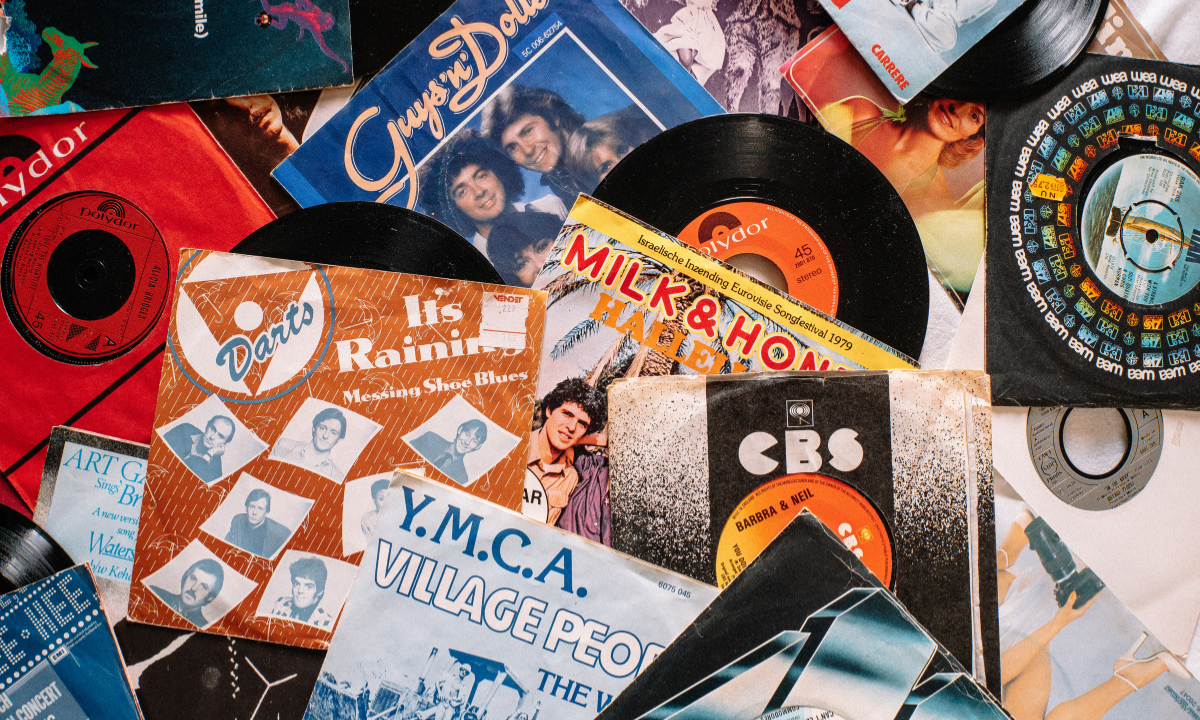
Music is often described as a purely auditory experience, yet the way we perceive it is deeply influenced by visual context. Album cover art, far from being a decorative afterthought, plays a critical role in shaping how listeners interpret, feel, and even remember music. In the context of opera, where visual storytelling, symbolism, and dramatic aesthetics are already central, album artwork becomes an extension of the performance itself. At the Opera Music and Art Centre, understanding this interplay between sound and image is essential to appreciating the full artistic experience.
The Psychology of First Impressions
Visual Framing Before the First Note
Before a listener hears a single note, they encounter the album cover. This moment establishes expectations, mood, and interpretive direction. Cognitive psychology suggests that humans rely heavily on visual cues to form initial judgments. In music consumption, this translates into a phenomenon where listeners “hear with their eyes.”
For opera recordings, this effect is amplified. A dark, baroque-inspired cover with chiaroscuro lighting might predispose the listener to anticipate intensity, tragedy, or moral conflict—qualities associated with composers like Verdi or Wagner. Conversely, a minimalist or pastel-toned design might signal lyrical elegance or romantic subtlety, aligning with Mozart or bel canto traditions.
Emotional Priming
Album art functions as an emotional primer. Colors, typography, and imagery activate associative networks in the brain. Deep reds and golds often evoke grandeur and passion, while cool blues and silvers suggest introspection or melancholy. When listeners begin playback, their emotional state is already conditioned by these visual elements, subtly altering how they perceive tempo, harmony, and vocal expression.
Opera as a Multisensory Art Form
Historical Integration of Visual and Musical Elements

Opera has never been purely about sound. From its origins in the late Renaissance, it has integrated music, stage design, costume, and lighting into a unified artistic experience. Album cover art, therefore, is not an external addition but a continuation of this tradition in recorded form.
In live opera, staging choices influence interpretation. Similarly, in recorded opera, the album cover acts as a surrogate stage, offering visual cues that guide the listener’s imagination. A well-designed cover can evoke the atmosphere of a production, even in the absence of a physical performance.
The Role of Iconography
Opera album covers often employ symbolic imagery—masks, roses, daggers, or architectural motifs—that reference narrative themes. These symbols function as semiotic anchors, helping listeners decode the story and emotional arc of the music. For example, a cover featuring a fractured mirror might suggest themes of identity and duality, relevant to operas like Don Giovanni or The Tales of Hoffmann.
The Influence of Artistic Style
Classical Realism vs. Modern Abstraction
Album cover design in opera varies widely, from classical portraiture to contemporary abstraction. Each style carries implications for how the music is perceived.
- Classical realism—such as painted portraits of performers or scenes—emphasizes tradition, authenticity, and historical continuity. It reassures listeners that the recording adheres to established interpretive norms.
- Modern abstraction, on the other hand, invites reinterpretation. Abstract forms, unconventional typography, or digital art suggest innovation and may prepare the listener for a non-traditional or experimental performance.
At the Opera Music and Art Centre, this distinction is particularly relevant when presenting both canonical works and modern reinterpretations. The visual language must align with the artistic intent.
Typography and Visual Hierarchy
Typography is often overlooked but plays a crucial role. Serif fonts may evoke classical heritage and scholarly rigor, while sans-serif fonts suggest modernity and accessibility. The placement of the composer’s name, the opera title, and the performers can also influence perceived importance and authority.
For instance, emphasizing the conductor’s name might signal a performance-driven interpretation, whereas highlighting the lead soprano could frame the recording as a vocal showcase.
Branding and Identity in Opera Recordings
Establishing Artistic Identity
Album cover art contributes to the branding of artists, ensembles, and institutions. For opera singers, consistent visual presentation across recordings can reinforce their artistic identity. A soprano known for dramatic roles might consistently appear in bold, high-contrast imagery, reinforcing her association with intensity and power.
Opera houses and art centres also benefit from cohesive visual branding. A recognizable design language can signal quality and curatorial vision, attracting audiences who trust the institution’s aesthetic and artistic standards.
The Role of the Opera Music and Art Centre
For the Opera Music and Art Centre, album cover art is not merely promotional material but an extension of its educational and cultural mission. By carefully curating visual elements, the centre can guide audiences toward deeper engagement with opera, highlighting thematic connections, historical context, and interpretive nuances.
Memory, Association, and Longevity
Visual Anchors in Musical Memory
Listeners often recall music in conjunction with its visual representation. Album covers serve as mnemonic devices, anchoring memories of specific performances. A distinctive cover can make a recording more recognizable and enduring in the listener’s ذهن.
In opera, where multiple recordings of the same work exist, visual differentiation becomes particularly important. A unique cover can help a recording stand out in a crowded field, making it easier for listeners to recall and revisit.
The Digital Era and Thumbnail Culture
In the age of streaming, album covers are often viewed as small thumbnails. This shift has significant implications for design. Details that might have been effective in large-format physical media may be lost at reduced sizes. Designers must prioritize clarity, contrast, and simplicity to ensure that the image remains impactful even at a glance.
For opera recordings, this presents both a challenge and an opportunity. The challenge lies in conveying complexity within a limited visual space. The opportunity lies in creating bold, iconic imagery that captures attention in a digital environment.
Case Studies in Opera Album Art
Traditional Interpretations
Many classical opera recordings feature portraits of the lead performers in costume. These covers emphasize the human element—the voice, the character, and the drama. They align closely with the expectations of traditional opera audiences and reinforce the connection between performer and role.
Contemporary Approaches
Recent productions often adopt cinematic or conceptual designs. Instead of depicting specific scenes, they use metaphorical imagery to evoke themes. For example, a production of Carmen might feature abstract representations of fire and movement rather than literal depictions of the character. This approach invites interpretation and aligns with modern staging practices.
The Interplay Between Expectation and Experience
Shaping Interpretation
Album cover art does not just reflect the music; it actively shapes interpretation. A listener approaching a recording with certain visual expectations may focus on specific elements—such as orchestration, vocal timbre, or dramatic pacing—that align with those expectations.
This interplay can enhance the listening experience when visual and auditory elements are aligned. However, it can also create tension when they diverge. A minimalist cover paired with a highly dramatic performance, for instance, may produce a sense of surprise or dissonance.
Managing Audience Perception
For institutions like the Opera Music and Art Centre, managing this relationship is crucial. The goal is not to constrain interpretation but to provide a framework that enriches the listener’s engagement. Thoughtful design can guide without dictating, suggesting themes while leaving room for personal interpretation.
Designing Effective Opera Album Covers
Key Principles
To create impactful album cover art for opera, several principles should be considered:
Alignment with Musical Content
The visual design should reflect the tone, style, and historical context of the music. Misalignment can lead to confusion or misinterpretation.
Clarity and Focus
Especially in digital formats, the design must be legible and visually coherent at small sizes.
Emotional Resonance
The imagery should evoke the emotional core of the opera, whether it is tragedy, romance, or comedy.
Distinctiveness
In a competitive market, unique visual identity is essential for recognition and recall.
Conclusion
Album cover art is a powerful, often underestimated component of the musical experience. In opera, where visual and auditory elements are intrinsically linked, it plays a particularly significant role. From shaping first impressions to influencing emotional interpretation and memory, the cover art acts as both a gateway and a guide.
Curious about music classes? Explore our music classes at Opera Music & Arts Centre.