
Music is more than just sound it is emotion, history, and culture wrapped into one beautiful experience. Whether you are a beginner or someone who has been playing for years, music appreciation classes help you connect with music on a deeper level.
In a city like Dubai, where culture and creativity are celebrated every day, more families and students are now turning to structured music education. From classical piano to vocal training, the demand for high-quality music education is growing rapidly.
But what makes a great music appreciation class? A big part of it is research. When students explore music topics beyond just playing notes, they develop critical thinking, creativity, and a lifelong love for the art form.
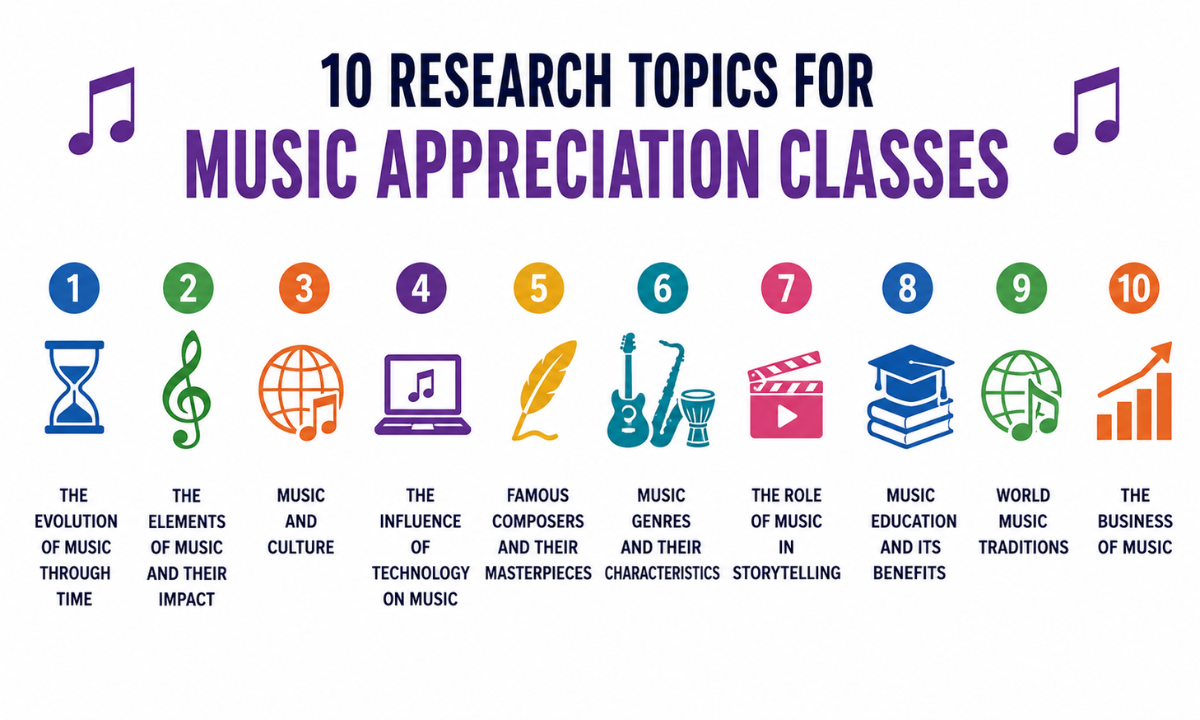
Here are 10 powerful research topics that make music appreciation classes more engaging, educational, and fun.
1. The History of Classical Music
Every great musician understands where music came from. Researching the history of classical music from Baroque composers like Bach to Romantic-era legends like Beethoven helps students understand how music evolved over centuries.
This topic also builds a strong foundation for understanding music theory, composition styles, and how today’s modern music is rooted in the past.
2. How Music Affects the Brain and Emotions
One of the most fascinating research areas is the science behind music and the human brain. Studies show that music:
- Improves memory and focus
- Reduces stress and anxiety
- Helps with emotional regulation
- Boosts creativity and problem-solving skills
For students in Dubai attending music appreciation programs, understanding this connection can motivate them to practice more consistently and engage more deeply in lessons.
3. World Music and Cultural Diversity
Music is a universal language, but every culture speaks it differently. Researching world music traditions from Indian classical ragas to Arabic maqam scales — opens students’ minds to the incredible diversity of human expression.
In a multicultural hub like Dubai, this topic is especially relevant. Students from different nationalities can explore their own musical heritage while appreciating others, making music classes a truly enriching cross-cultural experience.
4. The Evolution of Music Technology
From the invention of the piano to digital audio workstations (DAWs) and AI-generated music technology has transformed how music is made and enjoyed. This is a great research topic for music students who are also interested in technology.
Key areas to explore include:
- The shift from analogue to digital recording
- The rise of streaming platforms
- How producers use software to create chart-topping tracks
- The role of AI in modern music composition
5. Music Theory: The Language of Music
Understanding music theory is like learning the grammar of a language. Research in this area covers scales, chords, rhythm, melody, and harmony the building blocks of every piece of music ever written.
Music appreciation classes that integrate theory research help students not just listen to music but understand it. They begin to recognize patterns, anticipate chord changes, and even start composing their own pieces.
6. Opera: The Grandest Art Form
Opera is one of the most powerful and emotionally rich forms of musical expression. Researching opera gives students a window into a world where music, drama, literature, and visual art all come together on one stage.
Students can explore:
- The origins of opera in Renaissance Italy
- Famous operas and their composers (Mozart, Verdi, Puccini)
- How opera connects to today’s musical theatre and film scores
- The vocal techniques used by opera singers
For students enrolled in opera music and art classes in Dubai, this research brings real depth and context to what they are learning in the studio.
7. Music and Its Role in Society and Politics
Music has always been more than entertainment. Throughout history, it has been used as a tool for protest, unity, and cultural identity. From freedom songs during the Civil Rights Movement to national anthems — music shapes society.
This research topic encourages students to think critically about the world around them and understand how art can be a force for change.
8. The Business of Music: From Artist to Audience
The modern music industry is a multi-billion-dollar global business. Researching how the music industry works gives students a well-rounded understanding of the art form not just as an emotional experience, but as a professional career path.
Topics to investigate include:
- Music publishing and royalties
- The role of record labels vs. independent artists
- How social media has changed music marketing
- Career paths in music beyond performing (production, composition, sound engineering)
This is especially valuable for students in Dubai who dream of turning their passion for music into a sustainable career.
9. Iconic Composers and Their Legacy
Behind every timeless piece of music is a remarkable story. Researching the lives and works of iconic composers such as Mozart, Beethoven, Debussy, or contemporary composers like John Williams inspires students and connects them personally to the music they perform.
These biographical studies teach students about dedication, creative process, and how personal experiences shape artistic output. It also makes listening to great music a much richer experience.
10. Music Across Different Genres and Time Periods
From jazz and blues to hip-hop, rock, and classical musical genres each have their own unique history, instruments, rhythms, and cultural significance. Researching multiple genres helps students develop a versatile appreciation for music in all its forms.
For a well-rounded music education, students should explore:
- How genres evolved and influenced each other
- The social context behind genre movements
- Key artists who defined each genre
- How genres blend in today’s contemporary music scene
Why Research Makes Music Education Richer
Research is not just for academics. In a music appreciation class, research helps students:
- Listen more actively and intentionally
- Connect emotionally to the music they study
- Develop their own artistic identity
- Communicate about music with confidence
The best music education combines practical skill-building with intellectual curiosity. When a student understands the why behind the music, their performances become more expressive, their listening becomes more nuanced, and their love for music becomes lifelong.
Explore Music and Art Classes in Dubai
If you are looking to deepen your or your child’s musical journey in Dubai, Opera Music and Art Classes offer a world-class environment for music appreciation, vocal training, instrumental learning, and artistic development. With experienced instructors and a rich curriculum that blends performance with theory and cultural context, Opera Music and Art Classes nurture every student from complete beginners to advanced performers.
Whether your interest lies in classical piano, vocal coaching, music theory, or exploring the grandeur of opera, the right guidance can transform a simple love of music into a lifelong passion.
Opera Music and Art Classes Where Passion Meets Excellence.
Curious about music classes? Explore our music classes at Opera Music & Arts Centre.